There are many ways to prepare for disasters and we have categorized the general types to help streamline preparation. The three types of disaster preparation we have structured are to stay in place, bug out, and a combination of the two if you live in an area where both situations are likely to occur. Knowing when to leave or when to stay is crucial, we are here to help you be prepared in either of these scenarios you may face. Find additional resources here.
Many types of disasters don’t require you to leave your home. Preparing for such types allows you to put together emergency plans and products based around your home which usually can last longer and give more security. Make your home the safe place to be where resources, shelter, protection, and more can be established and well maintained.
Tsunami’s, Wildfires, Flash Floods, and similar disasters don’t usually leave much behind once the destruction has occurred. These types of scenarios require you to BUG OUT. Preparing with tools and products that can be taken with you in a hurry are a requirement to not be left stranded, homeless, or at a disaster shelter with nothing. You cannot rely on disaster relief efforts to provide you with what you need in the time you need it. Take control of your outcomes and become your own Last Resort.
Some may live in areas where the disaster types they are subject to could cause them to both stay in place or leave depending on what occurs. In this scenario you will want to have a combination of preparation plans and products to meet either scenario with sufficient preparation.
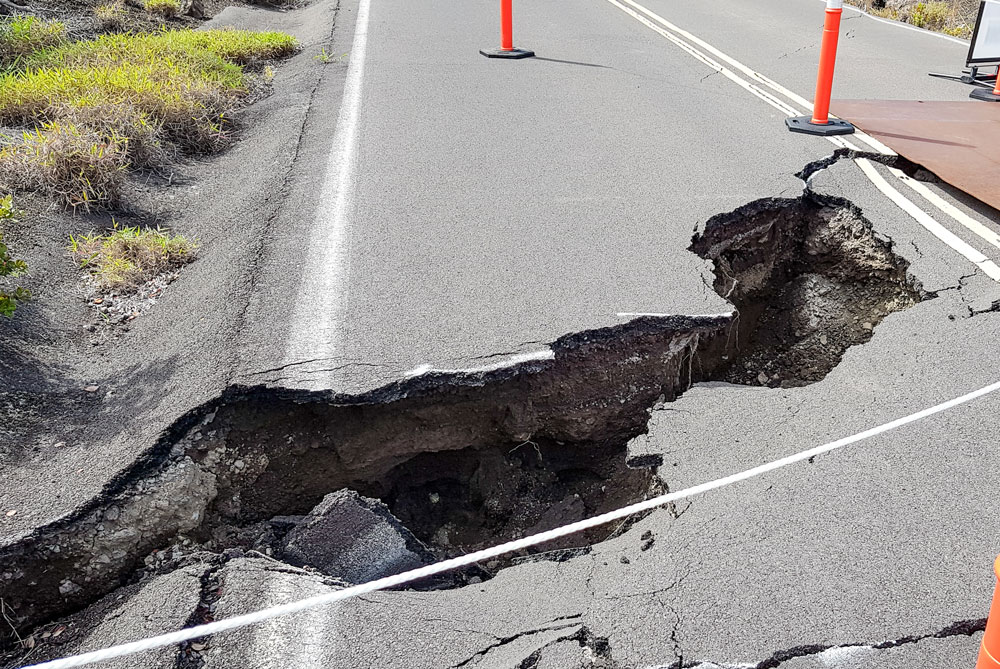
Know what to do to keep yourself and your loved ones safe during an earthquake. In most situations, you can protect yourself if you immediately drop, cover, and hold on. Do not stand in a doorway, you are much safer under a table. In modern houses, doorways are no stronger than any other part of the house. Most earthquake-related injuries and deaths are caused by falling or flying objects, or by being knocked to the ground. If you are outside, go to an open area away from trees, telephone poles, and buildings, and stay there. If you are able, seek shelter under a sturdy table or desk, stay away from outer walls, windows, fireplaces, and hanging objects. If severe shaking lasts 20 seconds or more, immediately evacuate to high ground as a tsunami might have been generated by the earthquake. If you are near open bodies of water or live in flooding zones where dam’s could be compromised during an earthquake, it is wise to immediately verify whether a tsunami or flooding could affect you. Evacuating to high ground or out of flooding zones may be a wise approach in your disaster preparation plan.
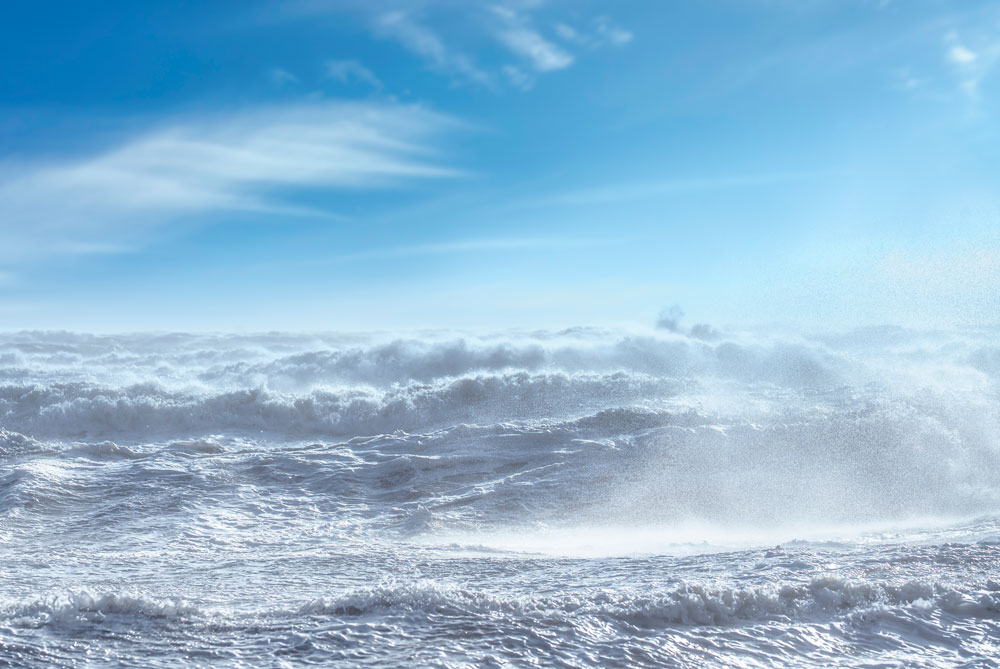
A tsunami can kill or injure people and damage or destroy buildings and infrastructure as waves come in and go out. A tsunami is a series of enormous ocean waves caused by earthquakes, underwater landslides, volcanic eruptions, or asteroids. Tsunamis can travel up to 30 miles per hour at over 100 feet high. It can happen anywhere along U.S coasts, those bordering the Pacific Ocean or Caribbean have the greatest risk. If you are under a tsunami warning, get to high ground as far inland as possible. Learn the signs of a potential tsunami, such as an earthquake, a loud roar from the ocean, or an unusual ocean behavior, such as a sudden draining of water showing the ocean floor. Know and practice community evacuation plans and map out your routes from home, work, and play. Create a family emergency communication plan that has an out-of-state contact.
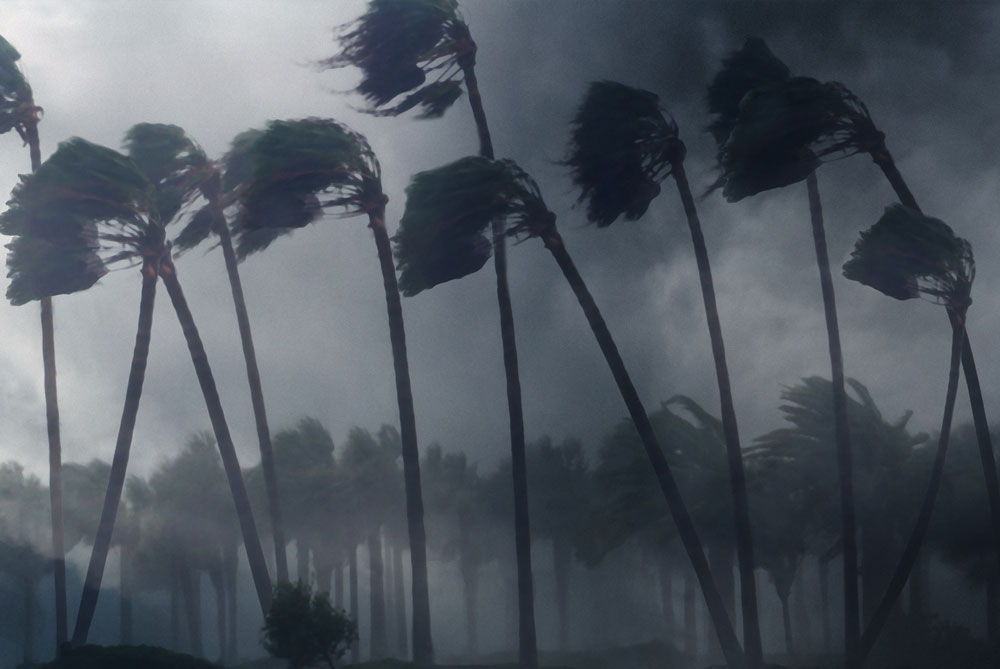
If authorities advise or order you to evacuate, grab your emergency kit and go right away. If you are not in a mandatory evacuation zone, you will need to decide whether to leave the area, move to higher ground nearby, or stay in your home. If you decide to stay home, remember that even if the high winds and floodwaters do not reach your home, you may lose power and water, and you may not be able to leave your home for several days if the roads are impassable. If you are evacuated, don't return home until local officials have declared that it is safe to enter your community if you have the supplies you will need. If your home was damaged by hurricane-force winds or flooding after the storm, it should be carefully inspected and thoroughly cleaned.
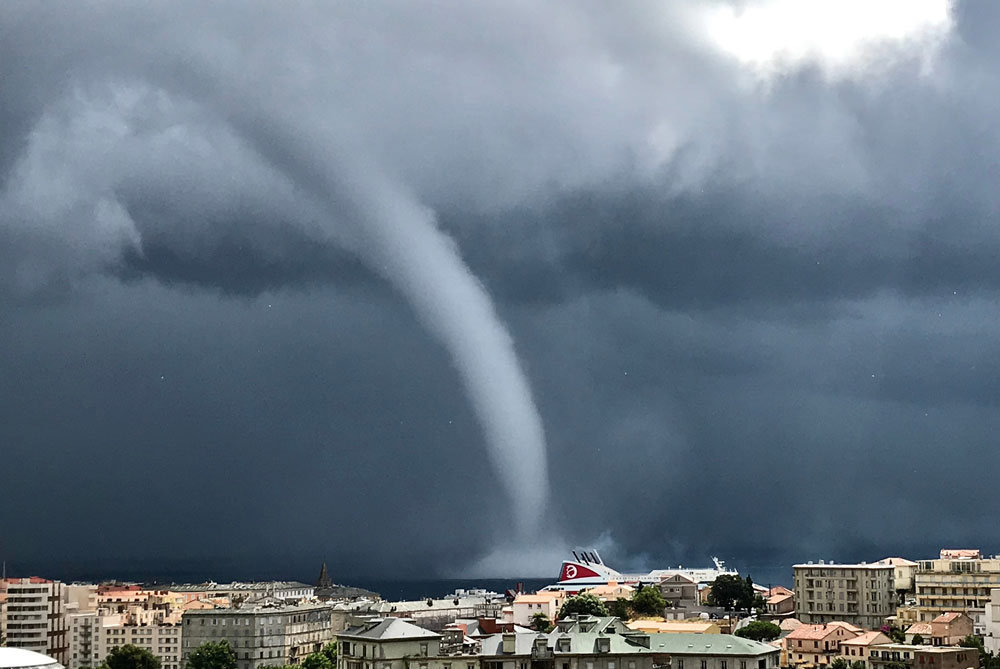
When ensuring safety from tornadoes, it is important to have a safe secure place to protect yourself and have supplies prepared in the area in case of health needs or injury. You should also prepare for a bugout scenario if you don’t have a safe place but can get to one nearby. If you have prepared a storm shelter sturdy enough to last through a tornado, practice the strategy of how to get there and what to do if not everyone has arrived. Tornados continue to affect areas across the states each year and can leave massive destruction. Ensuring you can keep yourself and others safe is your responsibility and should be treated with upmost importance.
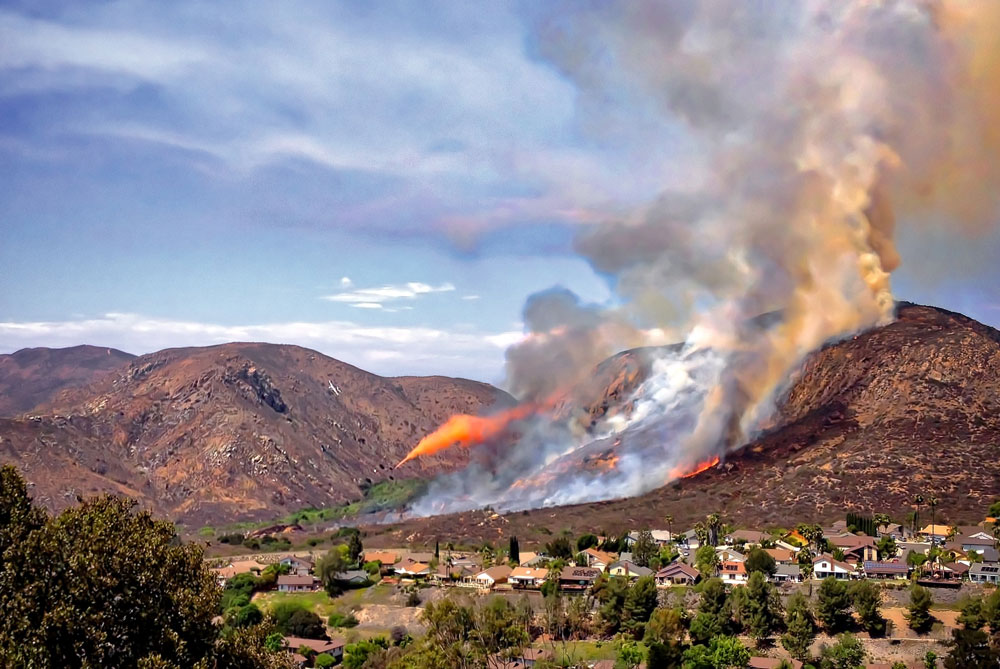
Fires affect everyone. They can spread fast and harm us and our property. Wildfires are getting bigger and more dangerous, more people are living in areas at risk for wildfires, but we can take action to prepare ourselves. You may need to evacuate your home quickly to stay safe. Knowing where you will go, how you will get there, and where you will stay is a crucial element to escaping a quickly spreading fire. Practice these routes so everyone in your household is familiar with them. During a wildfire, the most important information will come from your local government. Authorities will let you know when to leave or stay but it is always up to the person's discretion and you should follow your readiness plan. Wildfire smoke is a mixture of air and pollutants that are harmful to your health, learning how to cover up your eyes and mouth to exposure can save lives.
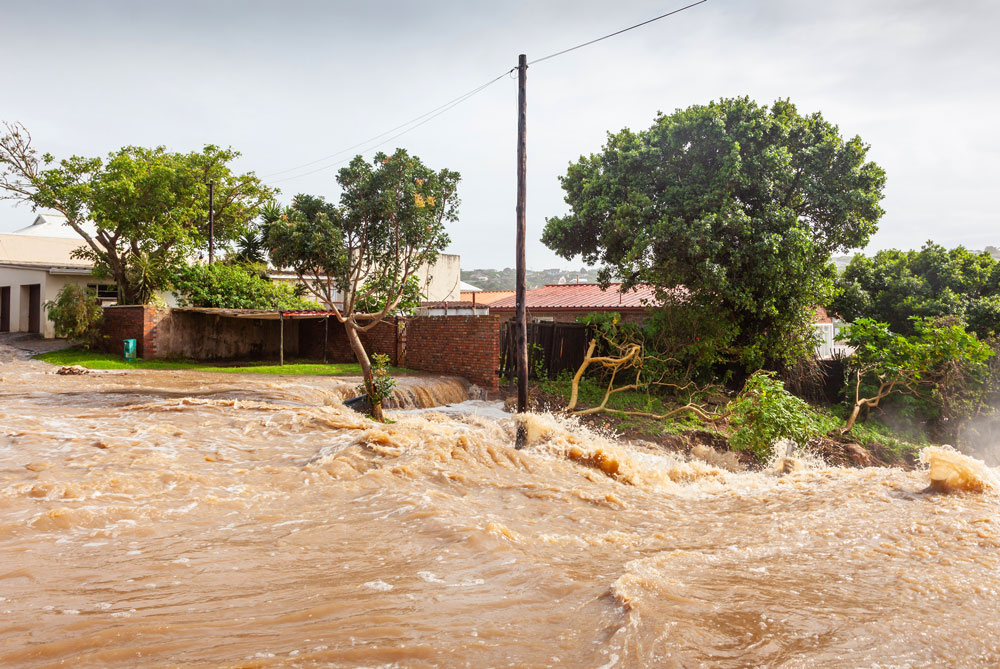
Flooding is a temporary overflow of water onto land that is normally dry. Floods are the most common natural disaster in the United States. Find shelter right away, do not walk, swim, or drive through floodwaters. Remember, just six inches of water can knock you down, and one foot of moving water can sweep your vehicle away. Depending on the type of flooding, evacuate and move to higher ground. Make a plan for your household, including your pets, so that you and your family know what to do, where to go, and what you will need to protect yourselves from flooding. Learn and practice evacuation routes, shelter plans, and flash flood response. Gather supplies including non-perishable foods, cleaning supplies, and water for an extended period of time in case you must leave immediately or your services are cut off in your area.
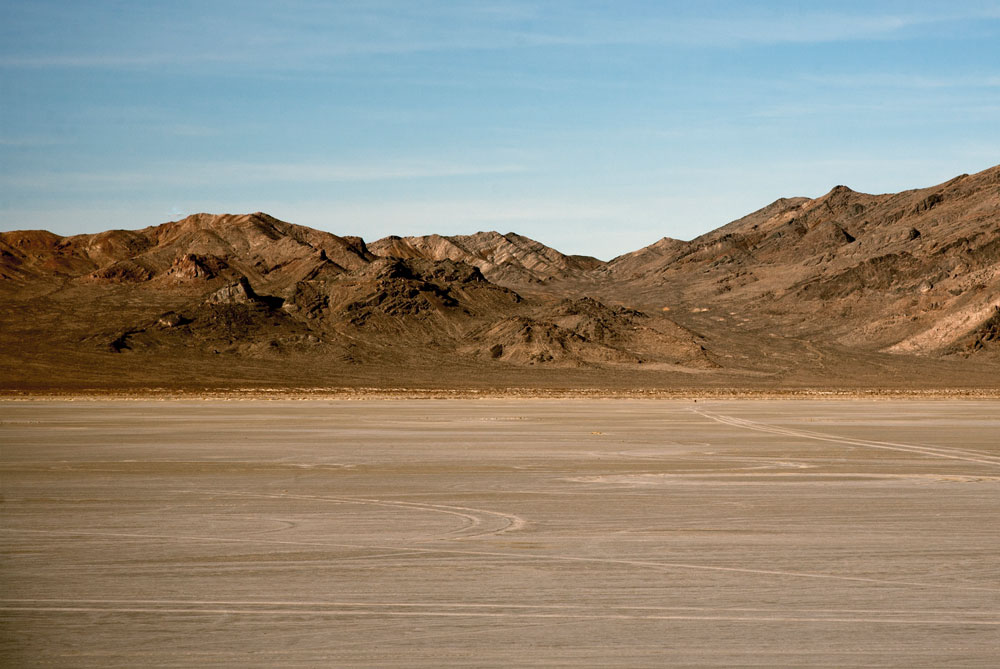
A drought is a period of abnormally dry weather that persists long enough to produce a serious imbalance of water. It is a major issue of cropping and water shortages in the supply. The severity of a drought depends on the degree of moisture deficiency, the duration, and the size of the affected area. In communities where drought conditions exist, officials may recommend water conservation measures to restrict the use of water. The restrictions may limit hours or prohibit the use of water, or require the use of hand watering instead of sprinkler systems that use much more water. Conserving water is particularly important when a drought strikes, but it's also a good habit to be in at all times for environmental reasons. Attempting to do at least one thing a day to conserve water is good practice for when the unexpected drought comes. Repair dripping faucets by replacing washers, one drop per second wastes 2700 gallons of water each year.
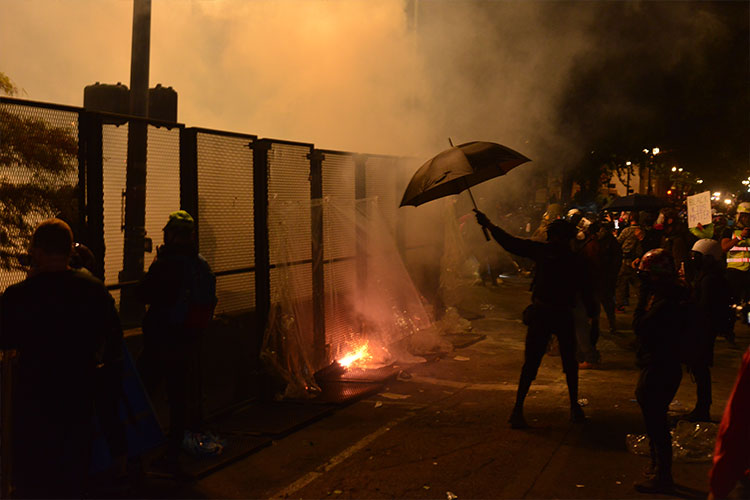
Unfortunately, there is a type of disaster that is not caused by the elements but by us. It is unfortunate that some communities after suffering from a major natural disaster event take advantage of the weakened state of society and government. As honorable and civilized a society may be, Lack of preparation and desperation can cause even the kindest mother to become a momma bear to obtain the required supplies needed to take care of her children during a crisis. This is a main component as to why we feel so strongly to help as many people as we can be prepared. Preparation usually does not breed community destruction, looting, crime, and vandalism. Usually those not prepared are pressured to loot and participate in crime to obtain what they believe is a necessity. There are those who do take advantage of weakened society and purposefully participate in looting to get gain, and some who participate in crime and destruction because they can without perceived consequences. Chad, the founder of Last Resort Company experienced this all to well in Chile during the aftermath of the 8.8 earthquake. For 3 days there was absolutely no policing or governance until the military rolled in with heavy armored vehicles. By that time, almost ALL stores in the entire city had been looted and vandalized. Deviants who wanted to continue to see destruction lit fires to many stores with people still inside looting that ultimately succumbed to those same flames. So much destruction occurred due to the human element that it was difficult in some areas to determine what damage was caused by the earthquake vs what damage was caused by crime. Becoming prepared as an individual, as a family, as a neighborhood, and as a community, in our opinion, would greatly mitigate this problem when disaster strikes.